The SAMSON Q9U XLR/USB Dynamic Broadcast Microphone review is for creators who want one dynamic mic to serve a straightforward computer setup now and a mixer or interface later.
Its combination of USB-C recording, XLR output, onboard monitoring, and speech-focused design makes it a flexible option for podcasts, streams, and live recordings.
Samson Q9U Review Summary
The quick verdict
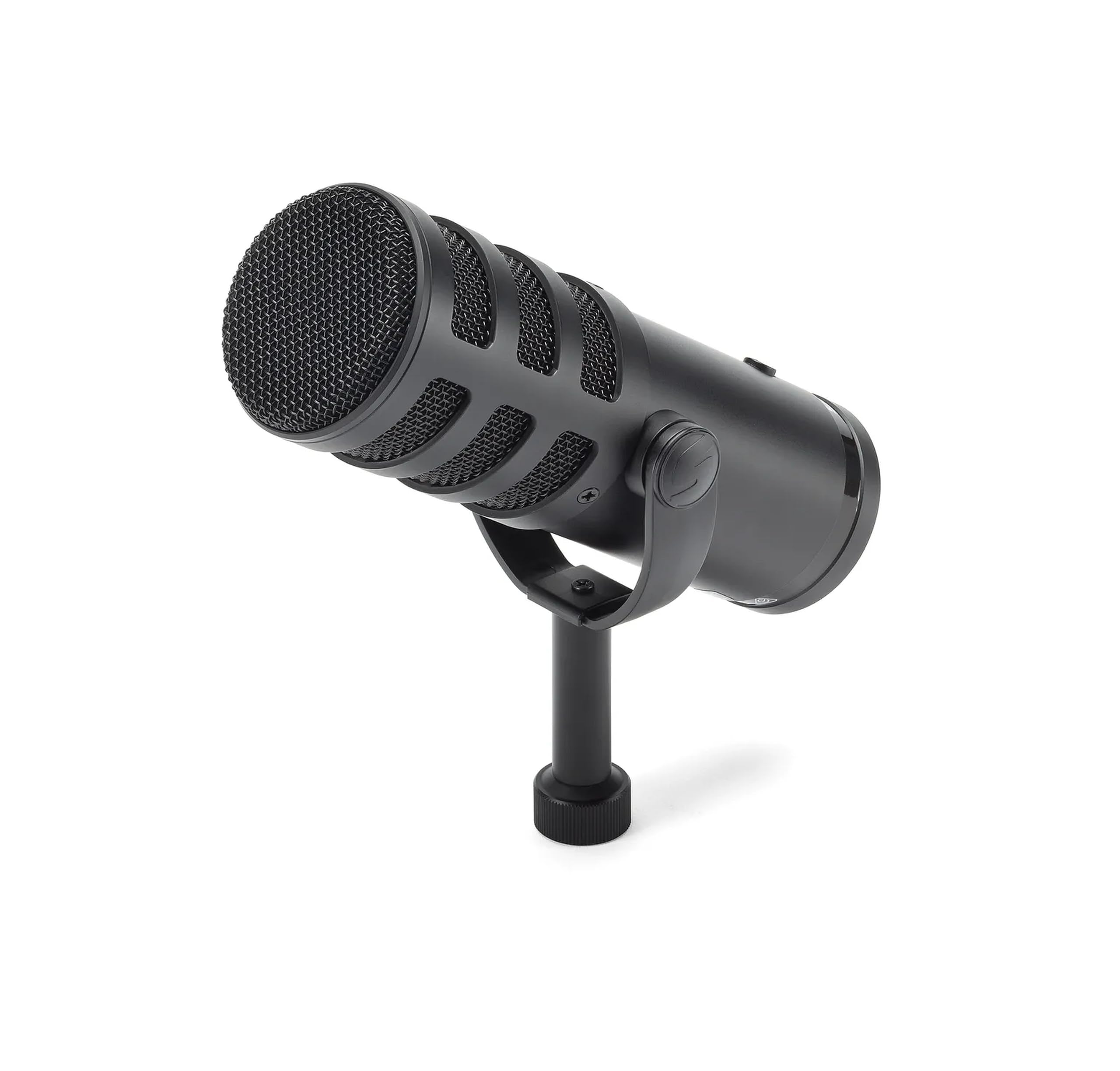
600+ ratings
Read Amazon ReviewsSamson Q9U
A dual-connection dynamic microphone for podcasters, streamers, and broadcasters who want USB convenience with an XLR upgrade path.
- Dynamic microphone with both an XLR analog output and a USB-C connection.
- USB recording uses a built-in analog-to-digital converter supporting up to 24-bit/96kHz resolution.
- USB connection supports direct recording to Mac and Windows computers without driver downloads.
- Modern dynamic capsule with a neodymium magnet is designed to provide output for mixers and audio interfaces without an external gain device.

Pros
- Two output options make it easier to start with USB and move to an XLR-based setup.
- High-resolution USB conversion is built into the microphone.
Consider before buying
- Its two connection paths serve different workflows, so buyers should decide whether their computer or interface setup makes USB or XLR the better everyday choice.
- The product description does not identify a stand or mounting hardware; confirm what is included and what your desk or boom-arm setup requires.
Read the full review summary
The Q9U’s central appeal is its two-way connectivity. Connect over USB-C for direct digital recording to a Mac or Windows computer, or use the XLR output with a mixer or audio interface as your setup grows.
The built-in converter supports up to 24-bit/96kHz recording, and the microphone is designed to provide useful output with typical recording equipment without an external gain device.
This setup suits a solo host who wants to begin with a computer, as well as a production space that may move toward a conventional XLR signal chain.
Cardioid pickup, an internal pneumatic shock mount, and a dual-layer windscreen address common voice-recording concerns, while zero-latency headphone monitoring and a mute switch keep useful controls close at hand.
Buyers should still plan for a suitable stand and check which connection and accessories best fit their setup.
The buying factors
Samson Q9U Scorecard
Editorial scores reflect listed features and buyer fit; they are not laboratory measurements or customer ratings.
Connection flexibility
USB-C and XLR let the microphone work in direct-to-computer and mixer-based setups.
Computer recording convenience
USB recording supports Mac and Windows use without driver downloads, with a built-in 24-bit/96kHz converter.
Voice-focused design
The cardioid pattern is intended to favor sound from the front and reduce ambient pickup from other directions.
Monitoring and controls
Zero-latency headphone monitoring and an onboard mute switch provide practical recording controls.
Plosive and handling management
A dual-layer windscreen and internal pneumatic shock mount address breath pops and mechanical noise.
Setup versatility
The stated use cases include broadcasting, podcasting, streaming, and live recording.
Key Features and Specifications of Samson Q9U
- Dynamic microphone with both an XLR analog output and a USB-C connection.
- USB recording uses a built-in analog-to-digital converter supporting up to 24-bit/96kHz resolution.
- USB connection supports direct recording to Mac and Windows computers without driver downloads.
- Modern dynamic capsule with a neodymium magnet is designed to provide output for mixers and audio interfaces without an external gain device.
- Cardioid polar pattern is designed to focus on sound in front of the mic and limit ambient pickup from other directions.
- Zero-latency headphone monitoring and an onboard mute switch, which silences both XLR and USB outputs.
- Internal pneumatic shock mount and dual-layer windscreen target mechanical noise and plosive sounds.
Pros and Cons of Samson Q9U
Pros
- Two output options make it easier to start with USB and move to an XLR-based setup.
- High-resolution USB conversion is built into the microphone.
- Headphone monitoring and a physical mute switch support convenient recording sessions.
- The cardioid pattern, shock mount, and dual-layer windscreen address several practical voice-recording challenges.
Consider before buying
- Its two connection paths serve different workflows, so buyers should decide whether their computer or interface setup makes USB or XLR the better everyday choice.
- The product description does not identify a stand or mounting hardware; confirm what is included and what your desk or boom-arm setup requires.
- The dynamic capsule is described for close voice and performance capture; check whether its intended placement and pickup pattern suit your recording space.
Who Should Buy Samson Q9U?
Good fit
Consider the Q9U if you want a broadcast-style dynamic microphone that can connect directly to a computer or feed a mixer or audio interface.
The USB route offers a direct recording path with high-resolution conversion, while XLR gives you a conventional analog connection for a more expandable studio signal chain.
It is also a good fit if you value monitoring and quick muting at the microphone itself.
The headphone output is designed for real-time listening, and the mute switch silences both connection outputs, making it useful when your workflow moves between recording and live sessions.
Before choosing it, map out your setup: confirm the connection you intend to use, the mounting hardware you need, and whether the mic’s cardioid, front-facing approach matches how you speak or perform.
Those checks matter more than treating its dual connections as a substitute for planning the rest of the recording chain.
Who should skip it
Skip this design if your setup specifically requires a wireless microphone or a different pickup pattern. The Q9U is described as a wired dynamic mic with cardioid pickup, so confirm that those basics match your intended use.
It may be a poor fit if you want a bundled, ready-to-place desk setup and have not confirmed the included mounting accessories. Check the package contents and your preferred stand before buying.
How the Samson Q9U Fits a Modern Recording Setup
USB now, XLR when the setup grows
The two outputs give the Q9U a useful role across different stages of a home recording setup. USB-C can connect straight to a computer, while XLR can route the mic through an interface or mixer.
Choosing the intended route first helps you understand which controls and recording hardware will be part of each session.
A voice-forward pickup approach
The cardioid pattern is intended to emphasize sound arriving from the front while reducing pickup from other directions.
That makes mic orientation and speaking position central to getting the intended result: keep the active side directed toward the source, then adjust placement to suit your voice and room.
Built-in details for spoken-word sessions
The internal pneumatic shock mount and dual-layer windscreen target two common nuisances: mechanical noise reaching the capsule and plosive bursts from speech.
They are useful design choices for podcasting and broadcasting, though mic placement and a stable support still matter to the overall recording workflow.
Monitoring and muting at the microphone
Zero-latency headphone monitoring lets you listen in real time, and the onboard mute switch silences both outputs. These features are especially practical when you need to hear your voice while recording or quickly pause transmission during a stream.
Alternatives to Samson Q9U
Multipurpose Dynamic Microphones alternative
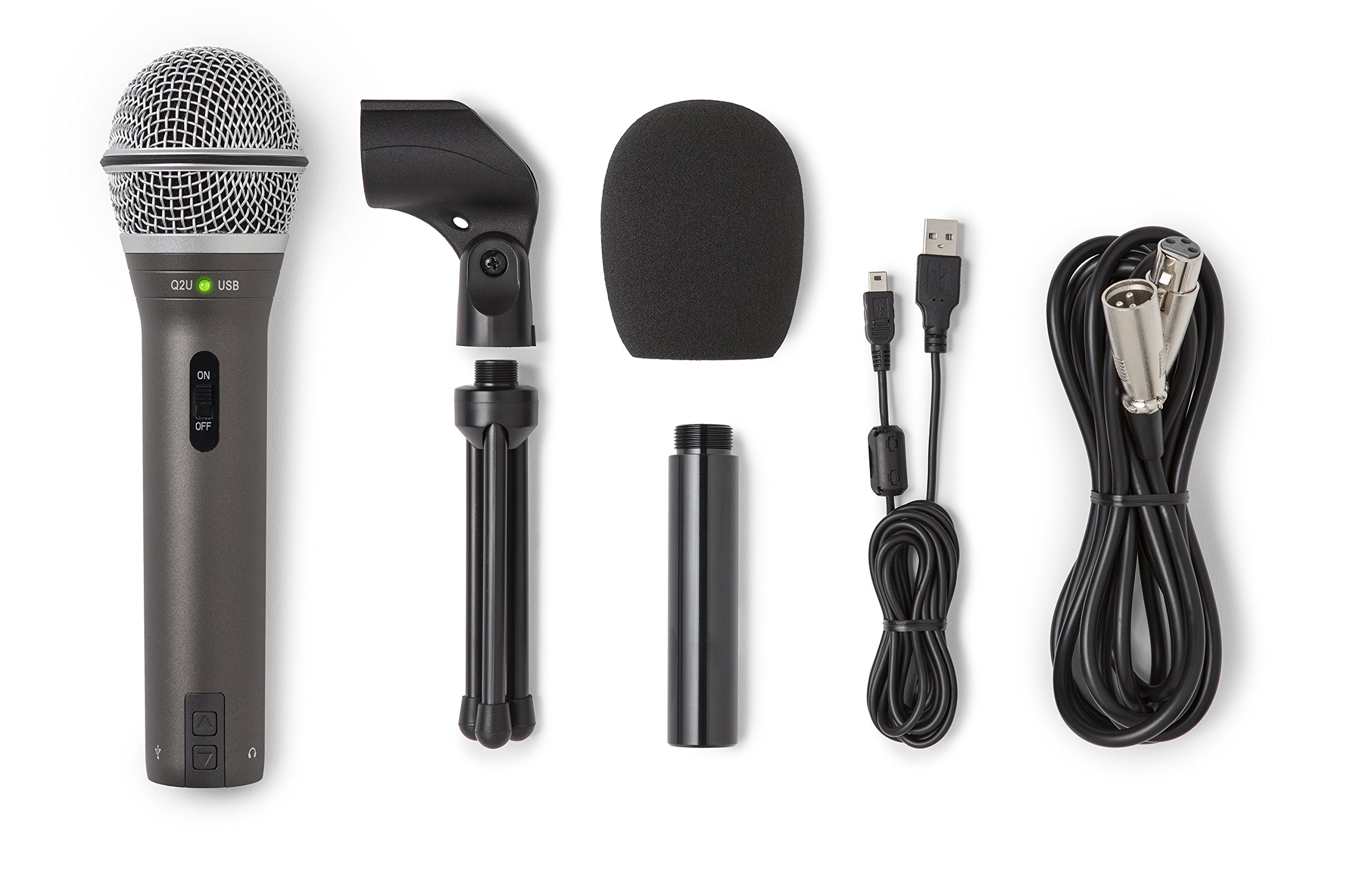
5,000+ ratings
Read Amazon ReviewsSamson Q2U
Choose the Q9U if its built-in monitoring, mute control, and higher specified USB conversion fit your recording priorities.
Consider the Q2U if you prefer a handheld form and a pack that explicitly includes basic desktop mounting and connection accessories.
- The Q2U is a handheld dynamic microphone with USB-C and XLR connections, and its described pack includes a desktop tripod stand, extension, mic clip, windscreen, and both USB-C and XLR cables.
- The Q9U combines USB-C and XLR with up to 24-bit/96kHz USB conversion, headphone monitoring, and an onboard mute switch.
Multipurpose Dynamic Microphones alternative
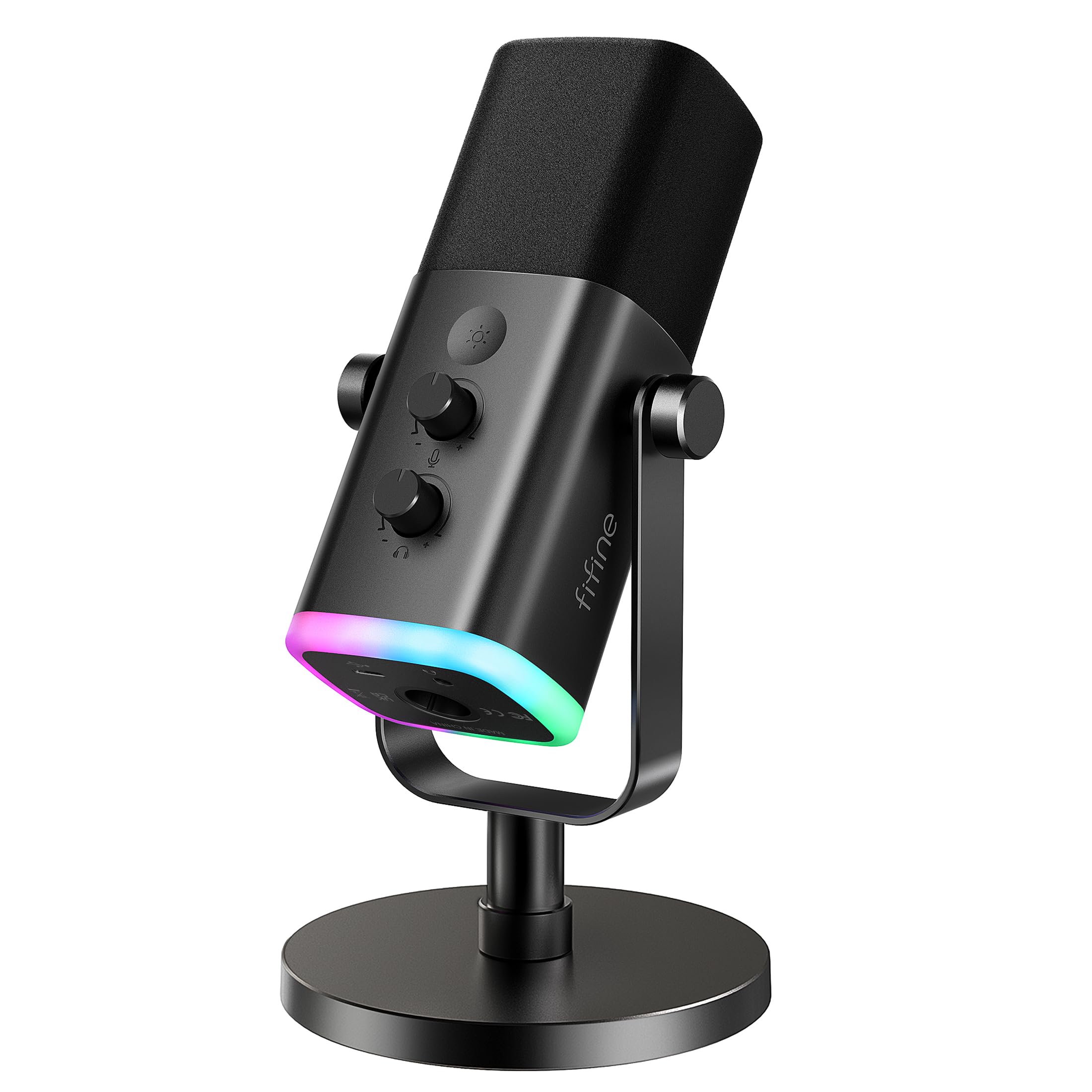
12,000+ ratings
Read Amazon ReviewsFIFINE AmpliGame AM8
The Q9U is a stronger match if high-resolution USB conversion and controls that also mute the XLR path matter to you.
The AM8 may suit a computer gaming or streaming desk where USB-only RGB and gain controls are attractive features.
- The AM8 supports USB and XLR and adds USB-mode RGB lighting, a headphone jack, monitoring volume control, and a gain knob.
- Its RGB and mic controls are inactive over XLR, and an XLR cable is not included.
- The Q9U offers USB-C and XLR, up to 24-bit/96kHz USB recording, headphone monitoring, and a mute switch that works on both outputs.
Is Samson Q9U Worth It?
The Samson Q9U is worth considering if you want one wired dynamic microphone to cover direct computer recording and a possible move to an XLR interface or mixer.
Its USB-C conversion, monitoring, mute switch, cardioid pickup, and built-in measures for plosives and mechanical noise make it thoughtfully equipped for spoken-word work.
Buy it when those features match your setup, and confirm the mounting hardware and connection path you need before ordering. If bundled accessories or a different workflow are more important, compare options that explicitly include those pieces.
Your review at a glance
600+ ratings
Read Amazon ReviewsSamson Q9U
A dual-connection dynamic microphone for podcasters, streamers, and broadcasters who want USB convenience with an XLR upgrade path.
- Dynamic microphone with both an XLR analog output and a USB-C connection.
- USB recording uses a built-in analog-to-digital converter supporting up to 24-bit/96kHz resolution.
- USB connection supports direct recording to Mac and Windows computers without driver downloads.
- Modern dynamic capsule with a neodymium magnet is designed to provide output for mixers and audio interfaces without an external gain device.